Enforcing a County Court Judgment (CCJ) or High Court judgment across England and Wales – we transfer your judgment to the High Court and recover what you're owed under a Writ of Control.
If you have already successfully taken an individual or organisation to court to recover a debt, you will likely have been awarded a judgment – a legal directive that requires a party to pay a specified sum of money to another. These orders can be granted by the County Court (as part of a County Court Judgment, or CCJ), the Magistrates’ Court, or the High Court.
However, if the debtor fails to comply with the terms of the judgment, enforcement action may be necessary. That’s when Strikes High Court Enforcement can step in. Our Authorised High Court Enforcement Officer can enforce a judgment by obtaining a Writ of Control from the High Court of Justice, which allows us to take control of goods from the debtor to recover the amount owed.
Judgment enforcement is the legal process of recovering money you have been awarded by a court when the debtor still won’t pay. If you have won a County Court Judgment (CCJ) or a High Court judgment, you don’t have to accept non-payment – the judgment can be enforced.
Strikes High Court Enforcement transfers your judgment to the High Court and, through our Authorised High Court Enforcement Officer, obtains a Writ of Control – a court order allowing us to take control of the debtor’s goods and recover the sum owed, plus interest and recoverable costs. Judgments can originate in the County Court, the Magistrates’ Court or the High Court; we enforce them all as one service.
Transferring your judgment to the High Court is fast, low-risk, and puts an authorised officer on your case.
If you have obtained a CCJ for a debt of £600 or more and the debtor has failed to pay, the judgment can be transferred to the High Court for enforcement. The process includes:
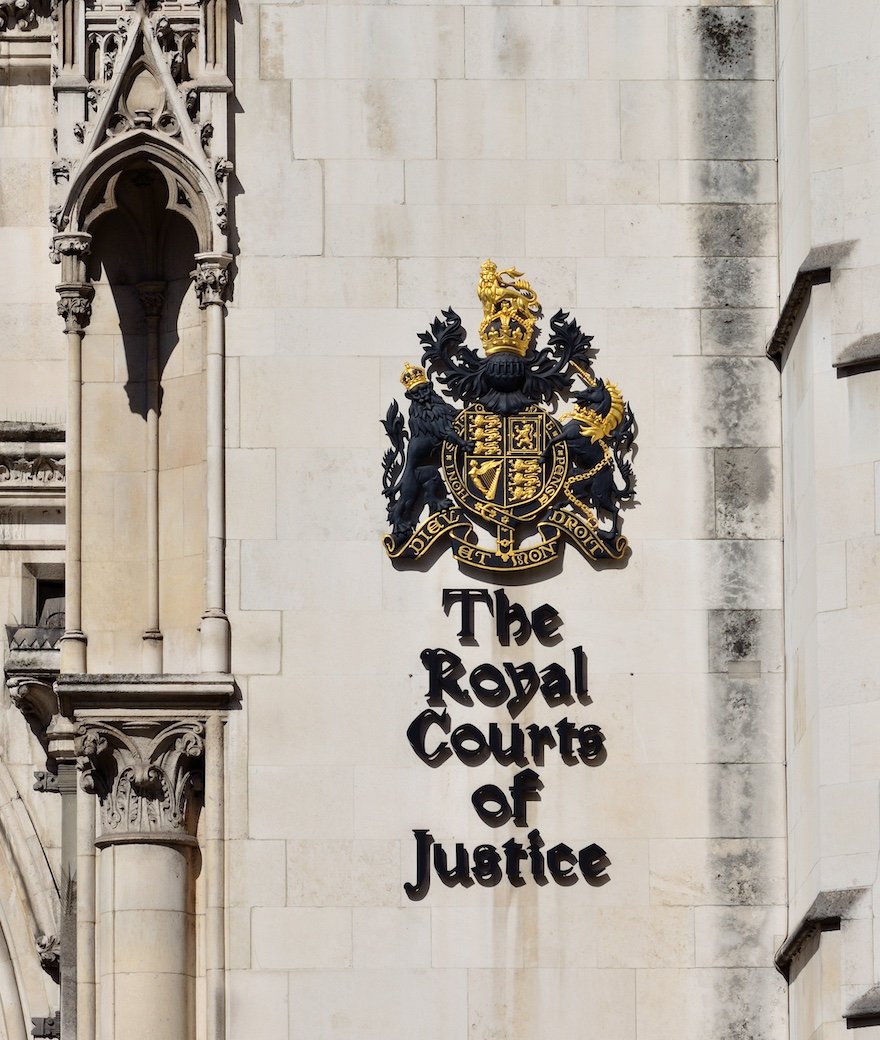
Transferring the CCJ to the High Court (excluding judgments regulated under the Consumer Credit Act).
Issuing a Writ of Control, which authorises our AHCEO to enforce the judgment.
Contacting the debtor to request payment or arrange a settlement.
Taking control of goods if payment is not made – this may include vehicles, equipment, or other assets owned solely by the debtor.
Selling goods at auction if necessary, to recover the full amount owed.
A complete, compliant enforcement process handled end to end by our authorised officers.
We transfer your CCJ to the High Court and issue a Writ of Control authorising enforcement.
We contact the debtor to request payment in full or negotiate a structured settlement.
Where payment is not made, we take legal control of the debtor’s goods and assets.
If necessary, goods are sold at public auction to recover the full amount owed.
Every step follows the Taking Control of Goods Regulations 2013, ensuring transparency.
You receive updates at each stage, from writ issue through to recovered funds.
Strikes High Court Enforcement acts for commercial landlords, businesses, solicitors and individuals across England and Wales. Our authorised officers act professionally and in full accordance with the Taking Control of Goods Regulations 2013.
Led by an Authorised High Court Enforcement Officer, our team combines legal precision with decisive action to recover what you are owed.

Real recoveries handled by our team — coming soon.
Strikes High Court Enforcement repossessed a room in a shared South Norwood flat under a Writ of Possession, returning secure, vacant posses...
Strikes High Court Enforcement recovered a company debt in full in Paddington, west London, with a High Court writ paid at Stage 2 the day a...
Strikes High Court Enforcement recovered a High Court writ in full on the first attendance at a debtor's home in Romford, Havering, resolvin...
Strikes High Court Enforcement attended a gated property in Buckinghamshire to enforce a money judgment, serving a compliance notice on a fi...
This Kent case study shows how Strikes High Court Enforcement recovered a substantial money judgment in full on first attendance — securin...
Enforceable for six years; beyond that, court permission is needed to enforce. It stays on the Register of Judgments for six years unless paid in full within one month.
12 months from issue, and can be extended by application before it expires.
Yes. If enforcement is ongoing, we can apply to the court to extend the writ for another 12 months – provided the application is made before the original writ expires. If it has expired, the process must be restarted. (existing verified answer)
Goods owned solely by the debtor (vehicles, business equipment, stock). Basic household necessities and essential trade tools up to a prescribed value are exempt; third-party or financed goods are excluded.
Enforcement stops. Funds, plus interest and recoverable fees, are passed to you. A controlled payment arrangement is possible; enforcement resumes if it is broken.
The judgment debt must be £600 or more (including costs), the judgment should be less than six years old (older judgments need the court’s permission), and it must not be regulated under the Consumer Credit Act – CCA-regulated debts are enforced through the County Court. All we need from you to start is a copy of your sealed judgment.
High Court enforcement is carried out by an Authorised High Court Enforcement Officer under a Writ of Control, and you choose your provider. County Court bailiffs are court-employed, allocated by the court, and enforce a warrant of control – typically used for lower-value judgments and Consumer Credit Act–regulated debts.

In House Authorised
HCE Officers

Rapid
Response

24/7 Case Tracking
for Clients

Transparent, Fixed-
Fee Options

Fully
Compliant