Enforcing foreign judgments in the UK – where your debtor lives or holds assets in England or Wales, we register your overseas judgment with the High Court and recover what you're owed.
If you’ve secured a judgment in another country but the debtor lives – or holds assets – in England or Wales, that judgment can often be enforced here through the High Court, provided a reciprocal arrangement exists between the UK and the country where the judgment was made.
Strikes High Court Enforcement, through our in-house Authorised High Court Enforcement Officer, manages the process end to end – from registering your judgment with the High Court to recovering what you’re owed, swiftly and lawfully.
A foreign judgment is a court order made outside the jurisdiction of England and Wales. Before it can be enforced here, it generally needs to be recognised and registered by the English courts – after which it can be enforced much like a domestic judgment.
Whether – and how – a foreign judgment can be registered depends on the country it came from and the reciprocal arrangement that applies between that country and the UK. We assess this at the outset and manage the registration and enforcement on your behalf.
The expertise and reach to turn an overseas judgment into recovered funds.
Once we've confirmed your judgment can be enforced here, we manage registration and enforcement through the High Court:
We assess whether your foreign judgment qualifies for enforcement under UK law – typically under the Reciprocal Enforcement of Foreign Judgments Act 1933 or other applicable treaties.
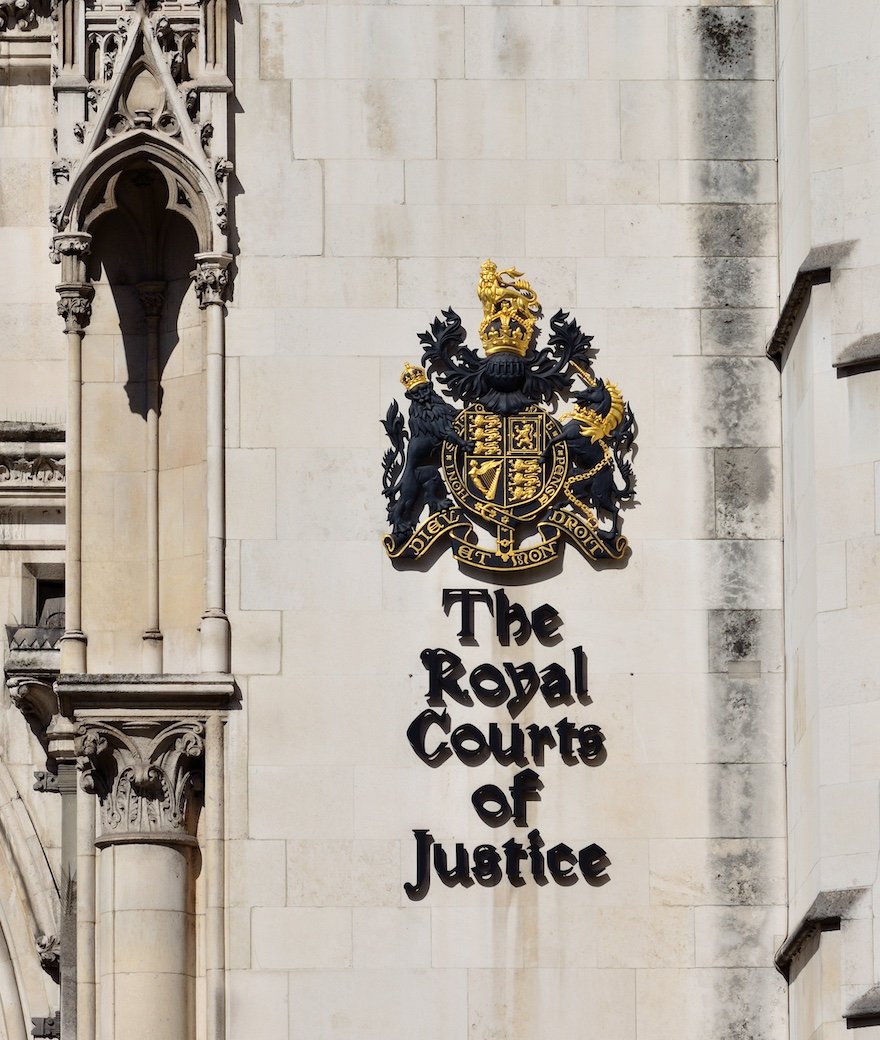
We manage the application to register your judgment with the Foreign Process Section of the Royal Courts of Justice. This includes a sealed copy of the original judgment, a certified English translation (if applicable), and any required enforcement certificates (e.g. EEO or EOP).
Once registered, we apply for a Writ of Control, allowing our enforcement agents to take legal action against the debtor’s assets.
Our in-house AHCEO oversees the enforcement process, ensuring compliance with UK law and maximising the likelihood of recovery.
A complete, compliant enforcement process handled end to end by our authorised officers.
We assess your foreign judgment and confirm the route by which it can be recognised and enforced in England and Wales.
We verify your judgment documents and arrange a certified English translation where required.
We manage the application to register your judgment with the High Court.
Once registered, we apply for a Writ of Control authorising our agents to take control of the debtor's assets.
Our in-house AHCEO oversees enforcement, taking control of goods and recovering the sums owed.
You receive updates at each stage, from registration through to recovered funds.
Strikes High Court Enforcement acts for commercial landlords, businesses, solicitors and individuals across England and Wales. Our authorised officers act professionally and in full accordance with the Taking Control of Goods Regulations 2013.
Led by an Authorised High Court Enforcement Officer, our team combines legal precision with decisive action to recover what you are owed.

Real recoveries handled by our team — coming soon.
Yes. If the debtor resides in England or Wales and the judgment meets legal criteria, we can enforce it through the High Court.
The Reciprocal Enforcement of Foreign Judgments Act 1933 is the primary legal framework, along with other international agreements and common law principles.
Registration typically takes 3–4 weeks. Once registered, enforcement can begin immediately upon issuing a Writ of Control.
No. You can instruct us directly as we have our own in-house consulting solicitor. We’ll guide you through the process and handle the legal steps on your behalf.
You’ll need a sealed copy of the original judgment, a certified English translation (if applicable), and any relevant enforcement certificates.

In House Authorised
HCE Officers

Rapid
Response

24/7 Case Tracking
for Clients

Transparent, Fixed-
Fee Options

Fully
Compliant